






The automotive industry is evolving faster than at any point in its history. Advances in technology, shifting consumer expectations, and global sustainability goals are redefining how people move. Understanding these trends offers insight into what driving and transportation will look like in the years ahead.
Electrification and the Rise of Electric Vehicles
Electric vehicles are moving from niche to mainstream as technology improves and infrastructure expands.
Key drivers of electrification include:
- Stricter emissions regulations
- Advancements in battery range and efficiency
- Lower long-term operating costs
As charging networks grow, electric vehicles are becoming more practical for everyday use.
Autonomous Driving Technology
Self-driving technology continues to advance through artificial intelligence and sensor innovation.
Current developments focus on:
- Advanced driver-assistance systems
- Improved object detection and decision-making
- Safer highway and urban driving
While fully autonomous cars are still emerging, partial automation is already reshaping driving experiences.
Connected Vehicles and Smart Features
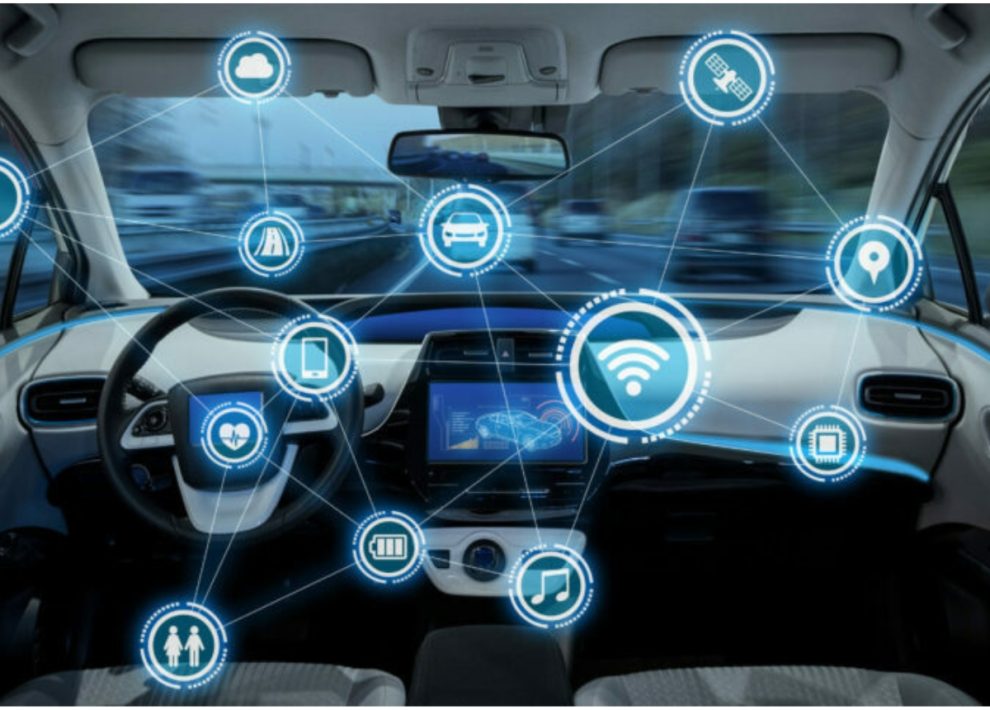
Connectivity is transforming cars into digital platforms.
Connected vehicle capabilities include:
- Real-time navigation and traffic updates
- Remote diagnostics and software updates
- Seamless smartphone integration
These features enhance convenience, safety, and vehicle management.
Shared Mobility and Changing Ownership Models
Traditional car ownership is no longer the only option.
New mobility models include:
- Ride-sharing services
- Car subscription programs
- Short-term vehicle rentals
These alternatives appeal to urban drivers seeking flexibility and lower ownership costs.
Advanced Safety Systems and Driver Assistance
Safety innovation remains a top priority.
Modern vehicles increasingly feature:
- Automatic emergency braking
- Lane-keeping assistance
- Adaptive cruise control
These technologies reduce accidents and improve driver confidence.
Sustainable Materials and Manufacturing
Sustainability extends beyond emissions.
Automakers are adopting:
- Recycled and renewable interior materials
- Energy-efficient manufacturing processes
- Reduced waste and carbon footprints
Eco-conscious production aligns with consumer and regulatory expectations.
Digital Retail and Online Car Buying
The car-buying experience is becoming more digital.
Emerging retail trends include:
- Online vehicle customization
- Virtual showrooms and test drives
- Home delivery options
Digital tools make purchasing more convenient and transparent.
Urban Mobility and Smart Infrastructure
Cities are adapting to new transportation demands.
Key developments include:
- Smart traffic management systems
- Integration of vehicles with city infrastructure
- Support for micro-mobility options
These innovations aim to reduce congestion and improve urban efficiency.
Frequently Asked Questions (FAQ)
How soon will fully autonomous cars become common?
Widespread adoption is still years away, but advanced driver-assistance systems are already widely available.
Are electric vehicles more expensive to maintain?
Generally, electric vehicles have lower maintenance costs due to fewer moving parts.
Will traditional gasoline cars disappear completely?
Not immediately. Gasoline vehicles will coexist with electric and hybrid models for many years.
How do connected cars improve safety?
They provide real-time data, alerts, and system updates that help prevent accidents.
Are shared mobility options replacing car ownership?
They are complementing ownership, especially in urban areas, rather than fully replacing it.
What role does sustainability play in vehicle design?
Sustainability influences materials, manufacturing methods, and overall vehicle efficiency.
How is technology changing the car-buying process?
Digital platforms allow buyers to research, customize, and purchase vehicles with greater convenience and transparency.
The future of mobility is shaped by innovation, sustainability, and changing lifestyles. As these automotive trends continue to evolve, they will redefine not only how vehicles are built, but how people move, connect, and experience transportation.


