







A vehicle is one of the most valuable assets many people own, and how long it lasts depends largely on daily habits and maintenance decisions. With consistent care and smart driving practices, you can significantly extend your vehicle’s lifespan while reducing repair costs and improving reliability.
Follow a Consistent Maintenance Schedule
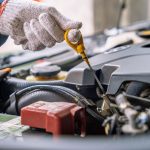
Regular maintenance keeps small issues from turning into major failures.
Essential maintenance tasks include:
- Timely oil and filter changes
- Fluid checks and replacements
- Scheduled inspections
Following the manufacturer’s service intervals ensures critical components stay protected.
Drive Smoothly and Avoid Aggressive Habits
Driving behavior has a direct impact on vehicle longevity.
Habits that reduce wear include:
- Gentle acceleration and braking
- Avoiding sudden stops
- Maintaining steady speeds
Smooth driving minimizes strain on the engine, brakes, and transmission.
Pay Attention to Warning Signs
Vehicles often provide early indicators before something fails.
Warning signs to never ignore:
- Dashboard alerts
- Unusual noises or vibrations
- Changes in handling or braking
Addressing these signals promptly prevents further damage.
Keep Fluids Clean and at Proper Levels
Fluids are vital to every major system.
Key fluids to monitor regularly:
- Engine oil
- Coolant
- Brake and transmission fluid
Clean, properly filled fluids reduce friction and overheating.
Protect the Exterior and Undercarriage
Environmental exposure accelerates wear.
Protective steps include:
- Washing and waxing regularly
- Cleaning road salt and debris
- Inspecting for rust or corrosion
Preserving the exterior helps prevent structural damage over time.
Maintain Tires and Suspension Components
Tires and suspension affect both safety and longevity.
Proper care involves:
- Correct tire pressure
- Regular rotations and alignments
- Inspecting shocks and struts
Well-maintained suspension reduces stress on other components.
Store Your Vehicle Properly
How and where you park matters.
Good storage practices include:
- Parking in a garage or shaded area
- Using a car cover when exposed
- Avoiding long periods of inactivity
Proper storage protects against weather-related deterioration.
Keep Records of All Maintenance and Repairs
Documentation supports long-term value.
Maintenance records help:
- Track recurring issues
- Ensure timely service
- Increase resale value
Organized records reflect responsible ownership.
Frequently Asked Questions (FAQ)
How long can a well-maintained vehicle last?
With proper care, many vehicles can exceed 200,000 miles or more.
Does regular maintenance really make a big difference?
Yes, routine care significantly reduces wear and prevents major mechanical failures.
Should I follow the manufacturer’s schedule exactly?
Yes, those guidelines are designed to maximize performance and longevity.
Can driving short distances harm my vehicle?
Frequent short trips can increase engine wear if the vehicle doesn’t reach operating temperature.
How important is tire maintenance for vehicle lifespan?
Very important. Proper tires reduce strain on steering, suspension, and drivetrain components.
Does keeping my car clean affect its longevity?
Yes, cleaning removes corrosive substances that cause rust and deterioration.
Is it worth maintaining an older vehicle?
Absolutely. Older vehicles often benefit the most from consistent care and attention.
Extending the life of your vehicle doesn’t require expensive upgrades or complicated routines. Consistent maintenance, attentive driving, and proactive care work together to keep your car dependable for years to come.


