





Regular car repair is often seen as an inconvenience, but in reality, it’s one of the smartest financial decisions a vehicle owner can make. Addressing issues early and maintaining key systems prevents breakdowns, extends vehicle life, and dramatically reduces long-term ownership costs.
Preventing Small Issues From Becoming Major Repairs
Minor mechanical problems rarely stay minor. Worn belts, leaking hoses, or low fluids can quickly escalate into serious damage.
Early repairs help prevent:
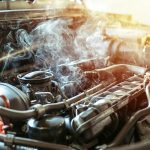
- Engine overheating
- Transmission failure
- Electrical system damage
Fixing small issues early costs far less than repairing major components later.
Extending the Lifespan of Your Vehicle
Cars that receive consistent care last significantly longer.
Regular repairs support longevity by:
- Reducing internal wear
- Maintaining proper lubrication
- Preventing corrosion and buildup
A well-maintained vehicle can remain reliable for hundreds of thousands of miles, delaying the expense of replacement.
Improving Fuel Efficiency and Performance
Neglected repairs often reduce efficiency, costing you more at the pump.
Common issues that affect fuel economy:
- Dirty air filters
- Faulty sensors
- Underinflated or misaligned tires
Routine repairs restore optimal performance and keep fuel costs under control.
Avoiding Costly Emergency Breakdowns
Breakdowns rarely happen at convenient times and often come with extra expenses.
Emergency costs may include:
- Towing fees
- Premium labor rates
- Unplanned transportation costs
Regular inspections greatly reduce the risk of sudden failures.
Protecting Expensive Components
Some vehicle systems are far more expensive to replace than to maintain.
Regular care protects:
- Engines and transmissions
- Suspension components
- Brake systems
Simple repairs and adjustments help prevent catastrophic failures that can total a vehicle.
Maintaining Safety and Reducing Accident Risk
Safety issues often start as minor mechanical problems.
Regular repairs help ensure:
- Reliable braking performance
- Proper steering and handling
- Functioning safety systems
Preventing accidents not only saves money but also protects lives.
Preserving Resale and Trade-In Value
Buyers and dealers value well-documented maintenance.
Regular repair records:
- Increase resale appeal
- Support higher trade-in offers
- Build buyer confidence
Skipping repairs may reduce your vehicle’s value more than you expect.
Saving on Insurance and Ownership Costs
A well-maintained vehicle is less likely to be involved in accidents or claims.
Long-term benefits include:
- Fewer insurance claims
- Lower out-of-pocket repair expenses
- More predictable ownership costs
Consistency reduces financial surprises.
Building a Reliable Maintenance Routine
Developing a routine helps you plan expenses instead of reacting to problems.
Effective routines include:
- Scheduled inspections
- Timely part replacements
- Clear repair documentation
Planning ahead keeps repair costs manageable and stress-free.
Frequently Asked Questions (FAQ)
How often should regular car repairs be scheduled?
Inspections every 6 to 12 months, along with manufacturer-recommended service intervals, are generally sufficient.
Is regular repair the same as routine maintenance?
Maintenance focuses on prevention, while repairs address wear or damage. Both work together to reduce costs.
Can regular repairs really prevent major engine failure?
Yes, early detection of leaks, overheating, or sensor issues can prevent severe engine damage.
Does regular repair matter if my car seems to run fine?
Yes, many problems develop silently and only show symptoms when damage is advanced.
Are older vehicles worth maintaining regularly?
Absolutely. Older cars benefit the most from consistent repairs and inspections.
How do repair records affect resale value?
Detailed records demonstrate responsible ownership and often justify higher asking prices.
Can regular repairs reduce long-term stress?
Yes, knowing your car is dependable eliminates unexpected breakdowns and emergency expenses.
Regular car repair isn’t just about fixing what’s broken—it’s about preventing what could break next. Over time, this proactive approach saves thousands, improves safety, and keeps your vehicle dependable for years to come.