







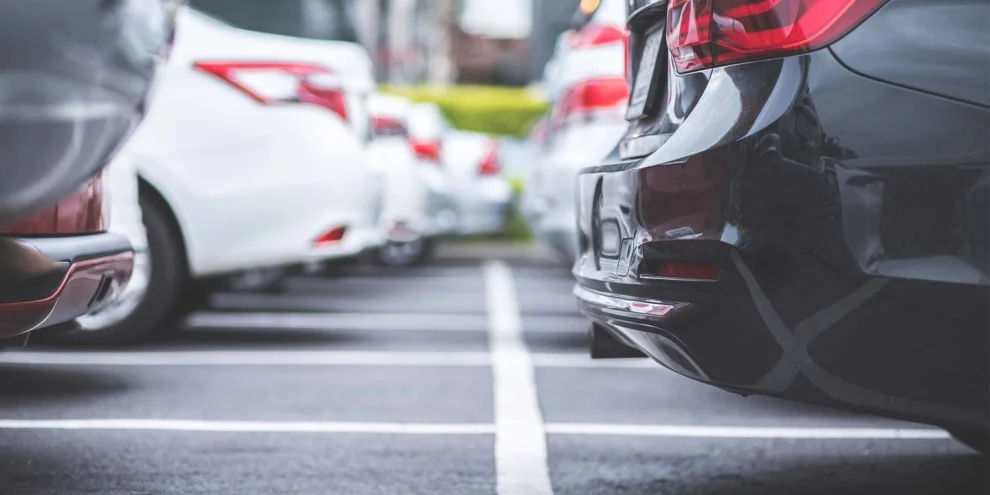

Most drivers think carefully about safety on the road, from checking mirrors to maintaining a safe following distance. But what about when your journey ends? The moment you park your car is just as important for its security and your personal safety. Where and how you leave your vehicle can significantly influence its vulnerability to theft, vandalism, and accidental damage.
Thinking about parking as an active part of your driving routine is a small but meaningful shift. Simple, conscious decisions can reduce risks and offer greater peace of mind. Whether you are at home, at work, or out shopping, your parking choices matter more than you might think.
Choosing a secure parking spot
The ideal parking spot does more than just offer convenience. It provides a safer environment for your unattended vehicle. When you have a choice, opt for well-lit areas. Good lighting is a strong deterrent for thieves, who prefer to operate in darkness where they are less likely to be seen. A brightly lit street or car park also makes it safer for you to walk to and from your car.
Parking in a busy, well-trafficked location adds another layer of security. The presence of other people and passing vehicles can discourage criminals. If available, designated car parks with features like CCTV, security patrols, or an attendant offer a higher level of protection compared to an isolated spot on a quiet street. When possible, avoiding areas where people are loitering may also reduce risk.
The risks of poor parking choices
Making a poor parking choice can expose your vehicle to several risks. The most obvious is theft, which includes both the theft of the car itself and the theft of valuables left inside. CSO 2025 latest figures show the trend. An unlocked door or an open window presents an easy opportunity for an opportunistic thief. Even leaving items like a coat, a bag, or loose change on display can be enough to tempt someone to break in.
Vandalism is another concern, ranging from minor scratches to broken windows and other malicious damage. Additionally, your parking technique can lead to accidental damage. Parking too close to other cars, squeezing into a tight space, or leaving your vehicle near a shopping trolley bay increases the likelihood of dents and scrapes from other doors or runaway carts. Similarly, misjudging a curb can result in damage to your tyres or wheels.
A practical scenario and its consequences
Consider a driver who regularly parks their car overnight on a dimly lit side street to be closer to their home. One morning, they discover their car window has been smashed and a laptop bag that was left on the passenger seat is gone. The first step is to report the incident to the police, followed by contacting their insurance provider to make a claim.
While their policy may cover the cost of the repair and the stolen item, there will be an excess to pay. Furthermore, making a claim will likely lead to the loss of their no-claims bonus, resulting in higher insurance premiums at the next renewal. This single incident, influenced by a seemingly minor parking decision, creates financial costs and considerable inconvenience. This shows how insurers consider parking locations when calculating risk.
Simple habits for better vehicle security
Developing a few consistent habits can greatly improve the safety of your parked vehicle. These small actions reduce opportunities for both thieves and accidental damage.
- Always lock your car and ensure all windows and the sunroof are fully closed.
- Remove all valuables from sight or, even better, take them with you. If you must leave items in the car, place them in the boot before you arrive at your destination.
- When parking on a hill, turn your wheels towards the kerb. This can make it more difficult for a thief to tow your vehicle.
- Be aware of your surroundings when getting in and out of your car.
- If you have a garage at home, using it provides more security than parking on the street or in a driveway.
- Try to park in the centre of the parking bay to leave as much space as possible between your car and the vehicles on either side.
These practices are straightforward and can be easily incorporated into your daily routine. Taking a moment to assess your parking options is a proactive step toward protecting your property. For more information, you can explore additional vehicle safety tips.
Ultimately, safeguarding your vehicle does not stop when you turn off the engine. Mindful parking is a simple yet effective way to minimise risk, prevent damage, and avoid the stress of dealing with theft or repairs.